Managing Productivity and Mental Health in Remote Work: The 2026 Guide
In the evolving landscape of 2026, remote work has become the standard for millions of professionals. While it offers unparalleled flexibility and freedom, it also presents unique challenges for maintaining high productivity and safeguarding mental well-being. The blurred lines between work and personal life, the potential for isolation, and the constant demand for self-discipline can take a significant toll. This 1,500+ word guide will explore the essential strategies to balance performance and well-being in a remote-first world.
The Dual Challenge of Remote Work
Remote work is a double-edged sword. On one hand, it eliminates the stress of commuting and allows for a more personalized work environment. On the other hand, it can lead to burnout, loneliness, and a sense of being "always on." In 2026, the most successful remote professionals are those who proactively manage both their output and their mental state, recognizing that they are inextricably linked.
1. Establishing Clear Boundaries and a Dedicated Workspace
One of the most critical steps in managing remote work is to establish clear boundaries. Without a physical office to leave, it's easy for work to bleed into every aspect of your life. Creating a dedicated workspace and setting firm work hours are essential for maintaining a healthy work-life balance.
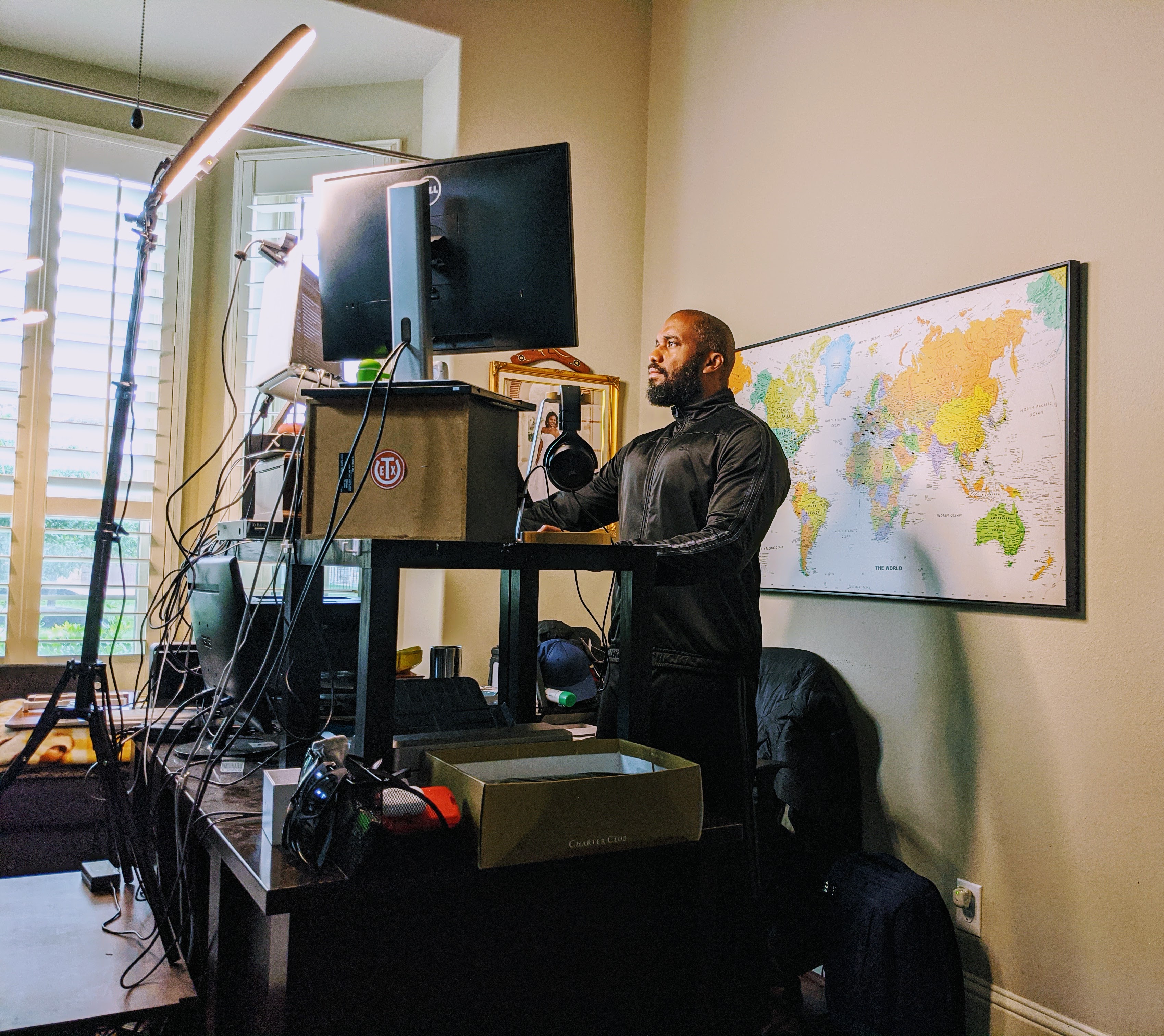
- Designate a Workspace: Even if it's just a corner of a room, having a specific area for work helps signal to your brain that it's time to focus. Ensure it's ergonomic, well-lit, and free from distractions.
- Set Firm Work Hours: Establish a consistent schedule and communicate it to your colleagues and family. Stick to these hours as much as possible to prevent work from taking over your personal time.
- The "Digital Commute": Start and end your day with a short activity that signals the transition between work and personal life. This could be a walk, a short meditation, or even just changing your clothes.
"Productivity is not about doing more; it's about doing what matters most while maintaining the mental energy to keep going."
2. Prioritizing Tasks and Managing Overwhelm
In a remote environment, you are your own manager. This requires high levels of self-discipline and effective task prioritization. Learning to manage your workload and avoid overwhelm is key to maintaining both productivity and mental health.
- Use a Task Management System: Tools like Asana, Trello, or Notion are essential for organizing your tasks and tracking your progress. Break down large projects into smaller, manageable steps.
- The Eisenhower Matrix: Use this tool to prioritize your tasks based on their urgency and importance. Focus on the tasks that are both urgent and important first.
- Single-Tasking: Avoid the trap of multitasking. Focus on one task at a time to improve concentration and the quality of your work.
- The Pomodoro Technique: Use this method to work in focused bursts with regular short breaks. This helps maintain focus and prevents mental fatigue.
3. Scheduling Regular Breaks and Physical Activity
Sitting for long periods is detrimental to both physical and mental health. Incorporating regular breaks and physical activity into your day is essential for maintaining energy levels and reducing stress.
- Micro-Breaks: Take 5-10 minute breaks every hour or two to stretch, walk around, or simply step away from your screen.
- Mindful Lunch Breaks: Step away from your desk and eat mindfully. Use this time to recharge and disconnect from work.
- Regular Exercise: Schedule time for physical activity, whether it's a gym session, a run, or yoga. Exercise is a powerful antidote to stress and can significantly boost your mood.

4. Staying Connected and Combating Isolation
Remote work can sometimes lead to feelings of isolation and loneliness. Actively seeking opportunities to connect with colleagues, friends, and family is essential for maintaining mental well-being.
- Virtual Socializing: Organize non-work-related video calls with colleagues. Virtual coffee breaks or team-building activities can help maintain a sense of belonging.
- Join Online Communities: Participate in online forums or groups related to your interests or profession. This can provide a sense of community and support.
- Maintain Real-World Connections: Make an effort to connect with friends and family outside of work. Social interaction is a fundamental human need.
5. Practicing Self-Compassion and Seeking Support
It's okay to have off days. Be kind to yourself and recognize that productivity fluctuates. If you're struggling with stress, anxiety, or burnout, don't hesitate to seek professional help.
- Mindfulness and Meditation: Incorporate practices that help you stay present and reduce stress. Apps like Headspace or Calm can be very helpful.
- Professional Help: Don't be afraid to talk to a therapist or counselor if you're feeling overwhelmed. Many organizations offer mental health resources for their remote employees.
- Support Networks: Lean on friends, family, or support groups for emotional backing. Sharing your challenges with others can be incredibly helpful.
Conclusion: A Sustainable Approach to Remote Work
Managing productivity and mental health in remote work is an ongoing process. In 2026, the goal is to create a sustainable approach that allows you to excel in your career while maintaining a healthy and balanced lifestyle. By establishing clear boundaries, prioritizing tasks, scheduling regular breaks, staying connected, and practicing self-compassion, you can thrive in the remote-first world. Your well-being is the foundation of your success—prioritize it.